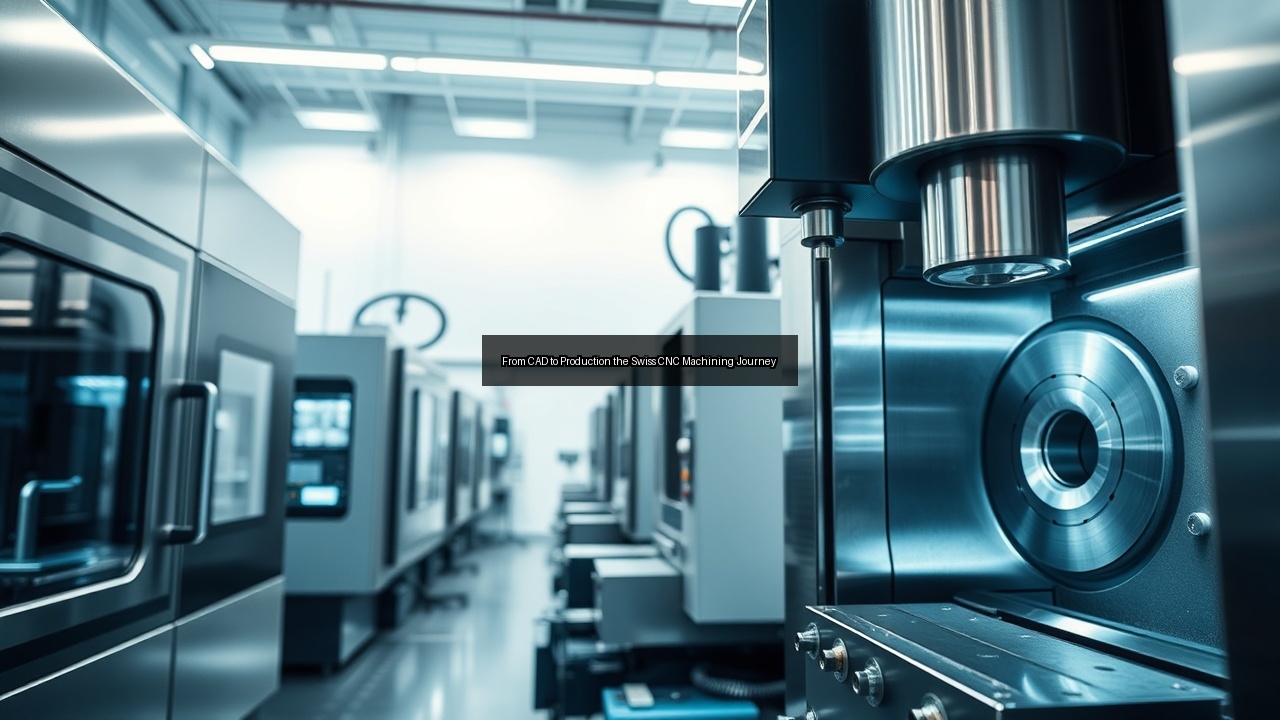
From CAD to Production the Swiss CNC Machining Journey
Understanding the Swiss CNC Machining Process
The Role of CAD in Design and Prototyping
CAD, or Computer-Aided Design, plays a crucial role in the Swiss CNC machining process. It enables engineers and designers to create precise digital models of parts before they enter production. This initial step not only streamlines the design process but also reduces potential errors that can occur during manual drafting. By utilizing CAD software, designers can visualize complex geometries and tolerances that are critical in manufacturing high-quality components.
Once the CAD model is complete, it serves as a blueprint for the CNC machines. The software translates the design into machine-readable code, guiding the CNC lathe through various operations. This integration between CAD and CNC machining ensures that each piece is manufactured to the exact specifications required, enhancing efficiency and accuracy. Furthermore, CAD allows for rapid prototyping, where adjustments can be made quickly to the design, facilitating a faster turnaround in producing machined parts.
How CNC Machines Operate: An Overview
CNC machines, or Computer Numerical Control machines, operate through a combination of computer programming and mechanical tools. These machines follow precise instructions encoded in the form of G-code, which directs the movements of the cutting tools. In the context of Swiss CNC machining, these machines specialize in producing small, intricate parts with high precision. The design of Swiss lathes allows for a unique approach where the material is held in place while the tools move around it. This method is particularly effective for creating parts with tight tolerances and complex geometries.
Swiss CNC machines excel in production because they can perform multiple operations simultaneously, reducing cycle times and increasing efficiency. Their ability to work with various materials, including metals and plastics, makes them versatile tools in modern manufacturing. Moreover, advanced CNC machines often incorporate automated features, such as tool changers and multi-axis capabilities, further enhancing their functionality and productivity.
Key Differences Between Swiss Lathes and Traditional CNC Lathes
Swiss lathes differ significantly from traditional CNC lathes, primarily in their design and operational capabilities. While both types of machines are used for turning operations, Swiss lathes are specifically engineered for high-precision, small-diameter components. Their unique sliding headstock allows for greater support of the workpiece, minimizing deflection and ensuring tighter tolerances during machining. In contrast, traditional CNC lathes are better suited for larger diameters and heavier workpieces.
Another notable difference lies in the machining process. Swiss lathes utilize a continuous feed mechanism that enables them to produce parts in a more efficient manner, often in a single setup. This approach drastically reduces the time needed for secondary operations, making Swiss CNC machining particularly advantageous for high-volume production runs. Additionally, Swiss lathes often come equipped with multiple tooling options, allowing for various operations such as drilling, milling, and threading all within one machine. This versatility sets them apart from traditional CNC lathes, making Swiss machines the preferred choice for industries demanding high precision.
The Journey from Design to Production
Material Selection for Precision Machining
Material selection significantly impacts the success of Swiss CNC machining. Manufacturers must choose materials that not only align with the design specifications but also enhance the functionality of the final product. Metals such as stainless steel, aluminum, and brass are commonly used due to their favorable properties, including durability and machinability. Each material presents unique challenges, such as varying hardness levels and thermal properties, which must be considered during the machining process.
For high-precision applications, the choice of material can affect tolerances and surface finishes. For instance, harder metals may require specialized tools and techniques to prevent wear on the CNC machines. Conversely, softer materials might allow for faster machining speeds but can compromise the integrity of intricate features. Understanding the characteristics of each material helps engineers and machinists optimize the production process, ensuring that the final parts meet stringent quality standards.
Setting Up CNC Machines for Optimal Performance
Setting up CNC machines effectively is crucial for achieving optimal performance in Swiss CNC machining. This process begins with calibrating the machine to ensure that it operates within the specified tolerances. Proper calibration involves checking the alignment of the machine’s components and adjusting them as necessary to prevent errors during production. Additionally, selecting the right tools is essential. The tools must be compatible with the material being machined and the specific operations being performed.
Operators must also consider factors such as cutting speeds and feed rates. Adjusting these parameters can significantly influence the quality of the machined parts and the efficiency of the production process. A well-set CNC machine can execute complex machining operations with precision and speed, minimizing downtime and maximizing output. Training operators to understand machine settings and their effects on production ensures that manufacturers can maintain high-quality standards consistently.
Quality Control Measures in Swiss CNC Machining
Quality control measures are integral to the Swiss CNC machining process. Manufacturers implement rigorous inspection protocols at various stages of production to ensure that each component meets the required specifications. This often includes the use of advanced measuring tools and techniques, such as coordinate measuring machines (CMM) and laser scanners, to verify dimensions and tolerances.
In addition to dimensional checks, quality control also encompasses surface finish evaluations and functional testing. For example, components used in the aerospace or medical industries cnc machining centers undergo stringent testing to ensure reliability and safety. A robust quality control system not only helps identify potential defects early in the production process but also enhances customer confidence in the final product. By adhering to these quality measures, companies can effectively reduce waste, improve efficiency, and maintain a competitive edge in the manufacturing landscape.
Applications of Swiss CNC Machining in Various Industries
Aerospace: Meeting Strict Tolerances and Specifications
The aerospace industry demands the highest levels of precision and reliability, making Swiss CNC machining an invaluable asset. Components such as bushings, brackets, and gears require stringent tolerances due to the extreme conditions they face during operation. Swiss lathes excel in producing these small, complex parts with the necessary accuracy, ensuring that each piece can withstand the stresses of flight.
Moreover, the lightweight materials commonly used in aerospace applications, such as titanium and aluminum, benefit from the capabilities of Swiss CNC machines. These machines can efficiently handle the unique properties of aerospace materials, delivering components that not only meet specifications but also contribute to overall performance and fuel efficiency. As the aerospace sector continues to evolve, the role of Swiss CNC machining in producing innovative solutions remains critical.
Medical Devices: Precision Machining for Safety and Reliability
Medical devices require exceptional precision and reliability, attributes that Swiss CNC machining provides. Components such as surgical instruments, implants, and diagnostic tools must adhere to strict industry standards, as any deviation can have serious consequences. Swiss CNC machines allow manufacturers to produce these intricate parts with high tolerances, ensuring they function correctly and safely in critical medical applications.
The capability to work with biocompatible materials further enhances the relevance of Swiss CNC machining in the medical field. Materials such as stainless steel and polymers can be precisely machined to create devices that meet the rigorous demands of healthcare. Additionally, the ability to automate processes in Swiss CNC machining increases efficiency, allowing companies to meet the growing demand for medical devices without sacrificing quality.
Oil and Gas Industry: Durable Components for Harsh Environments
The oil and gas industry relies heavily on durable components that can withstand harsh environments. Swiss CNC machining provides the precision and strength required for parts such as valves, fittings, and connectors used in drilling and extraction operations. These components cnc machining services often face extreme pressures and temperatures, demanding a level of quality that Swiss machining can consistently deliver.
Manufacturers in this sector benefit from the flexibility of Swiss CNC machines, which can produce complex geometries that enhance the functionality of critical components. Additionally, the ability to machine materials like high-strength alloys ensures that parts remain reliable even in the most demanding conditions. As the oil and gas industry evolves, Swiss CNC machining will continue to play a pivotal role in producing components that meet the challenges of modern energy production.
The Future of Swiss CNC Machining Technology
Advancements in Software and Automation
The future of Swiss CNC machining lies in advancements in software and automation. Cutting-edge software solutions enhance the design and programming phases, allowing for more complex geometries and improved simulation capabilities. These tools enable manufacturers to optimize machining processes, reducing cycle times and increasing productivity.
Automation is another key component shaping the future of Swiss CNC machining. Collaborative robots, or cobots, are increasingly being integrated into machining environments to assist with repetitive tasks, freeing skilled operators to focus on more complex operations. This shift not only enhances efficiency but also addresses labor shortages in the manufacturing sector. As automation technology continues to develop, Swiss CNC machining will likely see significant improvements in production capabilities and overall efficiency.
The Impact of Speeds and Geometries on Production Efficiency
Speeds and geometries significantly influence production efficiency in Swiss CNC machining. Higher spindle speeds enable quicker cutting processes, reducing cycle times and increasing output. However, achieving the right balance between speed and quality requires careful consideration of tooling and material properties. Optimizing these parameters can lead to substantial gains in productivity without compromising the integrity of the machined parts.
Geometrical complexity also plays a vital role in determining machining efficiency. Swiss CNC machines excel at producing intricate shapes that would be difficult or impossible to achieve with traditional methods. By leveraging advanced tooling and programming techniques, manufacturers can push the boundaries of design, leading to innovative products that meet evolving market demands. As the industry continues to advance, the relationship between speed, geometries, and production efficiency will remain a critical focus for manufacturers.
Sustainability in CNC Machining Practices
Sustainability is becoming increasingly important in Swiss CNC machining practices. Manufacturers are seeking ways to reduce waste, conserve energy, and minimize their environmental impact. One approach involves optimizing machining processes to enhance material utilization, thereby reducing scrap rates. Advanced software can analyze machining strategies, allowing companies to make informed decisions that promote sustainability.
Additionally, the use of eco-friendly materials and cutting fluids contributes to greener machining practices. Manufacturers are exploring biodegradable lubricants and recyclable materials to further reduce their footprint. As the global emphasis on sustainability grows, Swiss CNC machining will adapt by incorporating environmentally responsible practices, ensuring that the industry remains competitive while also protecting the planet.