Cost-Effective Solutions in Modular Skid Fabrication for Competitive Industries
Understanding Modular Skid Fabrication
Overview of Modular Process Skids
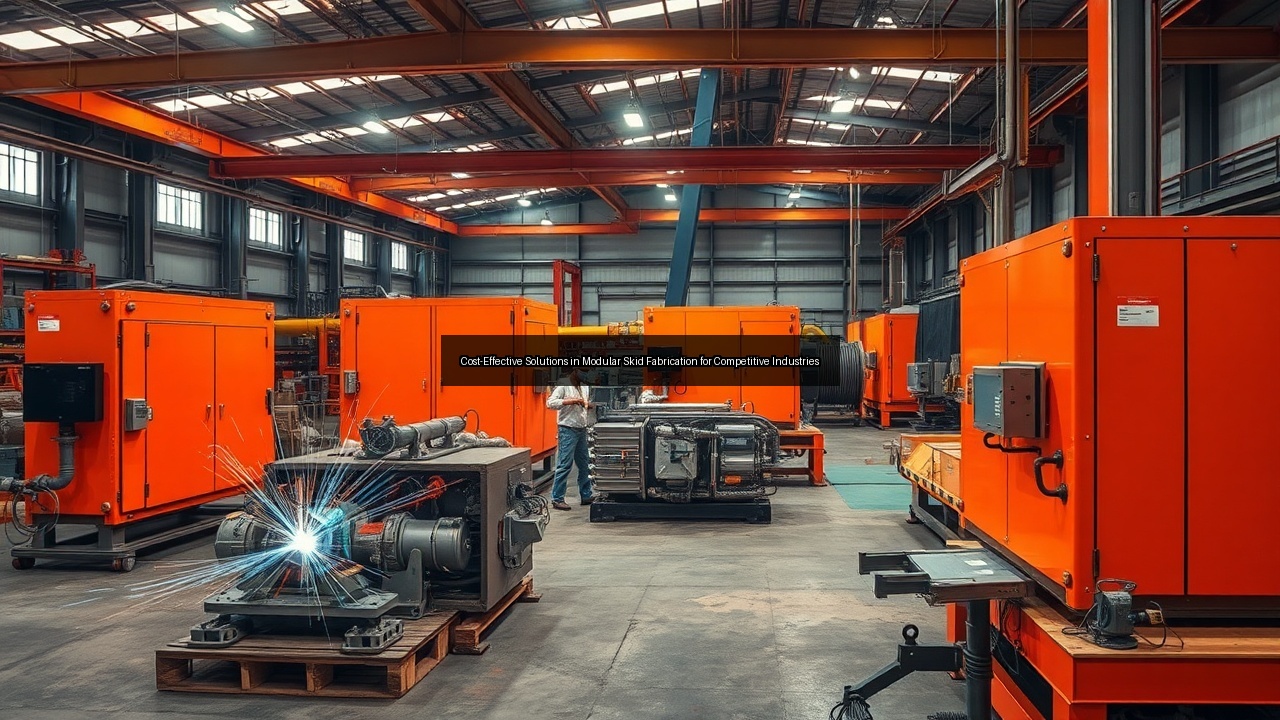
Modular skid fabrication represents a transformative approach in the design and manufacturing of process systems, particularly for industries that demand efficiency and adaptability. Modular process skids serve as pre-assembled units that contain various components necessary for industrial operations, including pumps, valves, and control panels. These skids simplify installation and reduce the time required for on-site assembly. By integrating multiple functions into compact units, businesses can streamline operations, minimize downtime, and enhance overall productivity. This method is particularly advantageous in sectors such as oil and gas, where rapid deployment of modular skids can significantly affect operational efficiency and cost management.
Benefits of Modular Skids in Competitive Industries
Competitive industries continually seek innovative solutions to maintain an edge over rivals. Modular skids offer several benefits that meet these demands. First, they significantly reduce capital costs by minimizing the need for extensive on-site construction and labor. With a modular skid, companies can pre-fabricate units in controlled environments, ensuring high-quality standards and optimizing resource utilization. Second, the inherent flexibility of modular systems allows for easy upgrades and modifications, enabling organizations to adapt swiftly to changing market conditions or technological advancements. Moreover, logistical advantages arise from easier transportation of these compact units, facilitating international projects and remote site operations.
Key Applications in Oil and Gas and Construction
Modular skids find vital applications in both the oil and gas industry and construction. In the oil and gas sector, modular process skids are crucial for operations like water treatment, chemical injection, and gas processing. Their design allows for quick installation in remote locations, where infrastructure may be limited. In construction, modular skids serve in various capacities, from portable water treatment systems to mobile power generation units. Their versatility covers a range of applications, including site offices and temporary infrastructure, making them an essential component of modern construction projects. This adaptability across industries underscores the growing reliance on skid fabrication solutions for operational efficiency.
The Fabrication Process: Steps and Considerations
Designing for Efficiency and Cost-Effectiveness
The design phase of modular skid fabrication is critical in achieving both efficiency and cost-effectiveness. Engaging experts in skid design ensures that all components work harmoniously within the constraints of the skid's dimensions. Software tools aid in creating precise designs, allowing for simulations that predict performance outcomes. Designers must consider factors such as weight distribution, accessibility for maintenance, and integration of various technologies. By prioritizing these elements, manufacturers can prevent costly modifications later in the process. Additionally, incorporating standard components can further streamline costs and reduce lead times, resulting in a more competitive edge in the market.
Welding Techniques in Skid Fabrication
Welding plays a pivotal role in the skid fabrication process, ensuring the durability and integrity of the modular systems. Various welding techniques, such as TIG, MIG, and stick welding, offer distinct advantages depending on the materials and design requirements. For instance, TIG welding provides excellent control and precision, making it ideal for thin-walled structures often found in skids. Manufacturers must select appropriate alloys that match the operational environment, ensuring resistance to corrosion and other stresses. Moreover, skilled welders equipped with advanced technologies can achieve high-quality seams that meet stringent industry standards, thus enhancing the skid's overall reliability and safety.
Machining and Quality Assurance Practices
Machining is another critical component of the skid fabrication process. Precision machining ensures that all parts fit together seamlessly, which is vital for optimal performance. Using CNC machines allows manufacturers to achieve high levels of accuracy and repeatability, reducing the risk of errors that could lead to costly rework. Quality assurance practices must be rigorously followed throughout the fabrication process. Implementing quality management systems helps maintain consistent standards, with regular inspections and tests conducted at various stages of production. These practices not only ensure compliance with industry regulations but also enhance customer satisfaction through reliable, high-quality products.
Quality Control and Safety in Skid Fabrication
Implementing Quality Management Systems
Quality management systems (QMS) are essential in maintaining high standards in skid fabrication. A robust QMS outlines policies and procedures that govern every aspect of production, from design to delivery. Regular audits and assessments help identify areas for improvement, ensuring adherence to industry regulations and customer expectations. By fostering a culture of quality, companies can minimize defects and enhance their reputation. Furthermore, a well-implemented QMS can lead to efficient resource management, better risk mitigation, and an overall reduction in operational costs. Ultimately, investing in quality management translates into long-term benefits, including increased customer loyalty and market competitiveness.
Risk Management and Licensing Considerations
Risk management is a critical consideration in skid fabrication, especially in industries such as oil and gas, where operational hazards are prevalent. Manufacturers must identify potential risks associated with their processes and develop strategies to mitigate them. This includes ensuring compliance with licensing requirements and industry regulations. Failure to adhere to these standards can result in severe legal and financial repercussions. Conducting regular risk assessments aids in understanding vulnerabilities and implementing effective controls. By prioritizing safety and risk management, manufacturers can protect their workforce and assets while enhancing their credibility in the market.
Safety Standards and Regulations in Skid Manufacturing
Safety standards and regulations play a vital role in skid manufacturing, ensuring that products are safe for use in various applications. Compliance with established safety guidelines, such as those from the Occupational Safety and Health Administration (OSHA) and the American National Standards Institute (ANSI), is non-negotiable. These standards cover everything from workplace safety to equipment specifications. Manufacturers must train their employees on safety protocols, emphasizing the importance of operating within regulatory frameworks. By fostering a culture of safety, companies not only protect their workers but also enhance their operational efficiency and reputation, which can lead to increased profitability.
Choosing the Right Skid Fabrication Company
Evaluating Fabrication Services and Technologies
Selecting the right skid fabrication company involves thorough evaluation of their services and technologies. A reputable fabricator should offer a comprehensive range of services, including custom skid fabrication, design consultation, and installation support. Assessing the technologies they employ is equally important. Advanced fabrication techniques, such as automated welding and precision machining, can significantly enhance product quality and reduce lead times. Additionally, companies should examine the fabricator's past projects and client testimonials to gauge their reliability and expertise. This due diligence ensures skid fabrication services that businesses partner with a manufacturer capable of meeting their specific needs and maintaining industry standards.
Factors to Consider When Selecting a Manufacturer
Several factors influence the decision when choosing a skid fabrication company. First, consider the manufacturer’s experience and specialization within your industry. A company with a deep understanding of the oil and gas or construction sectors will better grasp unique challenges and requirements. Next, evaluate their quality control processes and certifications, as these reflect their commitment to producing reliable products. Additionally, assess their capacity for customization. The ability to provide tailored solutions can significantly enhance the effectiveness of modular skids in meeting specific operational demands. Finally, consider the company's customer service and support, as a responsive team can facilitate smoother project execution and ongoing maintenance.
The Importance of Custom Solutions in Skid Fabrication
Custom solutions in skid fabrication offer significant advantages for businesses seeking to optimize their operations. Standardized designs may not meet the unique requirements of every project, particularly in specialized industries. Custom modular skids are tailored to fit specific operational needs, providing a more effective solution. This customization can enhance efficiency, improve safety, and ultimately lead to cost savings. A skilled skid fabricator will work closely with clients to understand their needs, translating them into functional designs that maximize the skid's capabilities. Investing in custom skid fabrication pays dividends by ensuring that the final product aligns perfectly with operational objectives, thus driving business success.
See Also
- How to Ensure Quality Assurance in Skid Fabrication Projects
- Expert Insights on Skid Fabrication Trends for 2024
- Quality Control in Skid Fabrication A Deep Dive into Best Practices
- Mastering Skid Fabrication Techniques for Optimal Performance
- Choosing the Right Fabrication Company for Your Skid Needs